Selasa, 02 Februari 2021

Silver price retreats fast in blow to new retail buyers - Financial Times

A rally in the price of silver fuelled by a sudden burst of interest from retail traders rapidly unwound on Tuesday, with many veteran investors left scratching their heads over the episode.

Silver fell 4.5 per cent in early London dealings to $27.67 an ounce, after leaping as much as 12 per cent the previous day to the highest level in eight years.

The pullback underlines the difficulties facing small investors, even when they combine forces, in influencing the global silver market, where $6bn worth of the metal changes hands in a typical day. It also reflects growing pushback on the internet forum Reddit against the effort to push up silver prices — a strategy posed by a user last week.

The rush into silver started on Thursday last week as the subject began picking up steam on online discussion sites. One user on Reddit suggested buying it to put a “squeeze” on banks. The post in the r/WallStreetBets forum said it would be “incredible” to make large banks active in the futures market “pay dearly” for their supposed bets that the silver price will fall, mirroring the successful campaign among amateur traders to fire up the share price of consoles retailer GameStop.

But professional analysts and traders quickly questioned the strategy. Unlike GameStop, which had been the target of negative bets among hedge funds, there was no large short position in silver futures. In fact, speculators were net long the metal, meaning they were betting on prices rising. 

Analysts said bullion banks such as HSBC and JPMorgan did not have speculative “naked short” positions in silver, and if anything would make money by selling silver to exchange traded funds and helping miners hedge exposure.

Line chart of $ per ounce showing Silver prices fall back after rally

“It’s the wrong understanding of the market,” said Bernard Dahdah, an analyst at Natixis. “It’s trying to apply the same rationale as GameStop. But most of the market is long silver. The banks are going to make more profit and [the silver buyers] are indirectly sending their own money to them.”

One trader said he thought silver promoters may have used Reddit to advance their own agenda. “I’m beginning to think that they are being suckered by the silver scammers to try and get the price up,” he said.

“They’ve been able to bid it up and maybe it continues, but who is left holding the bag when it’s over?” another precious metals trader said. “I’m a little bit at a loss as to who is being targeted here and who will be in pain from these moves.”

Data from the Commodity Futures Trading Commission show that silver producers and so-called swap dealers including banks were short silver before last week’s sudden rally.

But the banks were likely to have taken the position only to hedge their holdings of physical silver, meaning the impact from the sudden price rise would be neutral, according to analysts. Instead, hedge funds and other speculators — who were net long more than 44,000 silver contracts on Comex last week — would be the likely winners from a rising silver price.

Analysts noted that the language promoting silver on Reddit was similar to that of gold bugs who for years have blamed low gold and silver prices on artificial suppression by the big bullion banks, an impression that was made worse by JPMorgan’s admission in 2020 that it had manipulated precious metals futures over eight years.

The US bank paid a $920m settlement with US authorities over the practice known as spoofing, which involves quickly placing and withdrawing buy and sell orders to give other traders a false impression of demand.

Chris Powell, a director at the Gold Anti-Trust Action Committee, one of the most prominent of the gold enthusiasts, said he applauded the action by the Reddit poster.

“If Reddit-inspired investors think that some powerful elements, with the surreptitious support of governments and central banks, are shorting silver and silver mining company stocks in pursuit of suppressing the price of a monetary metal that potentially competes with government currencies and bonds, of course I agree with them,” he said.

James Steel, chief precious metals analyst at HSBC, said silver was “clearly a far deeper and more widespread” market than GameStop or similar equities targeted recently by social media groups.

“The 2020 total trading volume for the three largest futures and options [contracts] amounted to 372,559m ounces. Using an annual average of $20.5 an ounce, this equates to around a $7.6tn market for the full year 2020,” he added.

“Assuming 262 business days last year, this averages to $29bn worth of total volume each day. If we just look at current ETF positions of 905m ounces at $30 an ounce we get a market value of $27bn.” 

Retail investors poured $93m into the world’s largest silver-backed exchange traded fund, the iShares Silver Trust on Monday, the third day of rapid net inflows, according to VandaTrack, which collates data from major brokerages.

Column chart of Daily retail flows into iShares Silver Trust ($m) showing Retail money races into silver ETF

The ETF was the biggest destination on Monday for new retail money, exceeding high-profile securities such as Apple and Tesla shares and the popular QQQ ETF that tracks the Nasdaq 100 index. 

But investors who bought the iShares Silver Trust early on Monday morning would have made a loss by the time it closed.

“Anyone buying silver should know that it’s called ‘the devil's metal’ for a reason,” said Adrian Ash, head of research at BullionVault. “Volatility can be swift and violent, and it can be hard to miss the long-term uptrend in prices if you suddenly find yourself sitting on a loss.”


Let's block ads! (Why?)


https://news.google.com/__i/rss/rd/articles/CBMiP2h0dHBzOi8vd3d3LmZ0LmNvbS9jb250ZW50Lzc3ZTZmZWY2LTM3ZmYtNGY4ZS1hYmQ2LTRjMmQ2NWFjMTIwY9IBP2h0dHBzOi8vYW1wLmZ0LmNvbS9jb250ZW50Lzc3ZTZmZWY2LTM3ZmYtNGY4ZS1hYmQ2LTRjMmQ2NWFjMTIwYw?oc=5

2021-02-02 11:46:00Z
52781344049501

Viagogo must sell StubHub's non-US business - BBC News

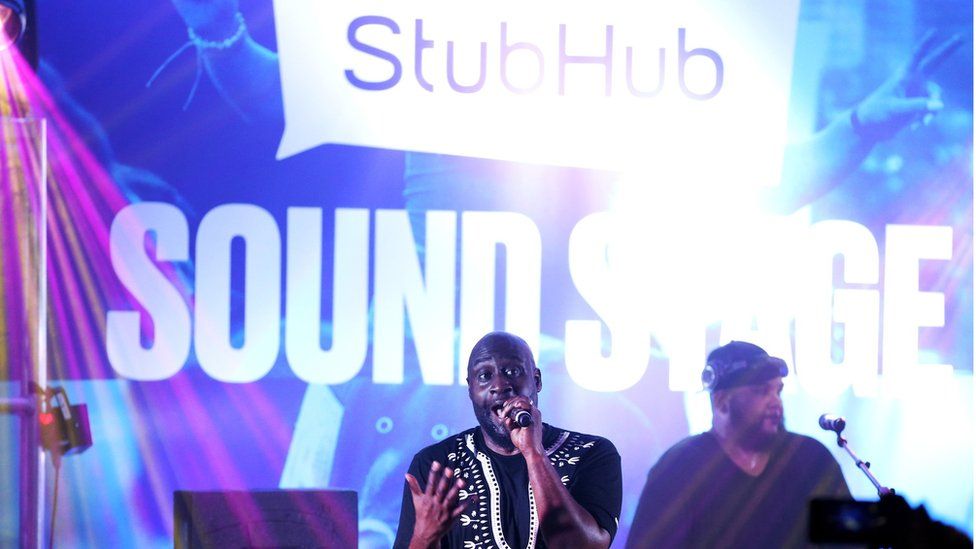
De La Soul
Getty Images

Ticketing site Viagogo will have to sell all of StubHub's business outside North America to satisfy competition concerns.

Viagogo bought rival StubHub in February 2020 for $4.1bn (£3.1bn).

However, an investigation by the UK's competition watchdog found the merger could harm customers' interests.

The Competition and Markets Authority (CMA) said the deal meant a "substantial reduction in competition" in the UK secondary ticketing market.

"This could lead to customers who use secondary ticketing platforms facing higher fees or poorer service in future," the CMA said.

The CMA decision will mean that StubHub's international business - which includes the UK - will be independently owned and run by a separate company, with no input from Viagogo, the authority added.

StubHub's ticketing business operates in a number of territories including North America, the UK and several countries in Europe, South America and Asia.

In the UK, Viagogo and StubHub are the two main providers of secondary ticketing platforms. Together, they have a combined market share of more than 90%.

The CMA will decide key conditions of the sale, such as the right of the purchaser to use the StubHub brand for the next 10 years.

The watchdog will also need to approve the purchaser of the business before any sale.

Virus refunds

The decision, which follows an earlier provisional ruling in October last year that the merger would reduce competition, is not the first time Viagogo has come under the eye of the competition watchdog.

In 2019, Viagogo dodged CMA legal action after improving what it tells customers about tickets, including seating information and whether the venue had banned ticket resales.

The CMA welcomed the changes but criticised the site's slowness to respond.

Last year, Viagogo was criticised for refusing to give refunds to people who had bought tickets on its site to events hit by the coronavirus pandemic.

Consumer organisation Which? said the ticketing site had added a clause to its cancellation policy which had left some customers unable to claim their money back.

But Viagogo said the claim was "fundamentally inaccurate", since its policy on refunding customers had not changed.

Let's block ads! (Why?)


https://news.google.com/__i/rss/rd/articles/CBMiLGh0dHBzOi8vd3d3LmJiYy5jby51ay9uZXdzL2J1c2luZXNzLTU1ODk5NjUx0gEwaHR0cHM6Ly93d3cuYmJjLmNvLnVrL25ld3MvYW1wL2J1c2luZXNzLTU1ODk5NjUx?oc=5

2021-02-02 10:29:00Z
52781348254266

House price growth slows as end of stamp duty holiday nears - Sky News

House price growth slowed for the first time since June last month as the end of the stamp duty holiday approaches, new figures from lender Nationwide show.

Prices in January were 6.4% up on a year earlier - a slowdown on December's 7.3% - while month-on-month they fell by 0.3%.

It comes ahead of the end of a stamp duty holiday, introduced in the summer of 2020 to revive the pandemic-hit market, on 31 March.

Rishi Sunak
Image: Rishi Sunak introduced a stamp duty holiday last year

The policy means the threshold for paying the tax has been temporarily raised from £125,000 to £500,000.

Robert Gardner, Nationwide's chief economist, said: "To a large extent, the slowdown probably reflects a tapering of demand ahead of the end of the stamp duty holiday, which prompted many people considering a house move to bring forward their purchase."

Mr Gardner said the behaviour of the housing market had been changed by the pandemic as many people decide to move out of town or to more spacious homes.

More from Business

But he added that if the stamp duty holiday is not extended and unemployment continues to worsen, the housing market is "likely to slow, perhaps sharply, in the coming months".

Samuel Tombs, chief UK economist at Pantheon Macroeconomics, said the report "adds to evidence that house prices are topping out".

The slowdown in price growth comes after a 7.3% figure in December, which was the biggest jump in six years and monthly mortgage approval numbers that have been running at or around 13-year highs.

Let's block ads! (Why?)


https://news.google.com/__i/rss/rd/articles/CBMiX2h0dHBzOi8vbmV3cy5za3kuY29tL3N0b3J5L2hvdXNlLXByaWNlLWdyb3d0aC1zbG93cy1hcy1lbmQtb2Ytc3RhbXAtZHV0eS1ob2xpZGF5LW5lYXJzLTEyMjA2MzEw0gFjaHR0cHM6Ly9uZXdzLnNreS5jb20vc3RvcnkvYW1wL2hvdXNlLXByaWNlLWdyb3d0aC1zbG93cy1hcy1lbmQtb2Ytc3RhbXAtZHV0eS1ob2xpZGF5LW5lYXJzLTEyMjA2MzEw?oc=5

2021-02-02 10:34:59Z
52781347960516

BP reports first annual loss in a decade - Financial Times

BP reported its first annual loss in a decade after a 96 per cent drop in fourth-quarter profit as the UK oil major continues to reel from the hit to energy demand from the pandemic.

Underlying profit on a replacement cost basis — the measure of income tracked most closely by industry analysts — was $115m in the three months to December 31.

This fell short of analyst expectations of a $370m profit, according to a company-compiled estimate, and compares with $2.6bn in the same period the year before.

Bernard Looney, chief executive, said it had been “a tough quarter at the end of a tough year”.

It has been a brutal time for the industry, with lockdowns and travel bans causing big drops in earnings.

For the full year, BP slumped to a loss of $5.7bn, from a $10bn profit in 2019, because of the collapse in energy prices, a writedown in the value of oil and gas assets by billions of dollars and depressed demand.

The group said quarterly performance had been “significantly” hit by lower fuel sales and refining margins. It also blamed weaker gas marketing and trading results, and higher exploration write-offs.

“The weather was colder in Asia than we had thought and warmer in America than we had thought,” Mr Looney said in an interview. “Our traders were caught.”

BP, which returned to profit in the third quarter, had already warned of a volatile outlook.

Oil demand is anticipated to rebound in 2021 and it expects to benefit from higher gas prices in future. But fuel sales and refinery margins are forecast to remain under pressure.

The price of crude oil has recovered from last April’s lows — below $20 a barrel — helped by a nascent market recovery and the rollout of vaccinations. Although Brent crude is again above $55 a barrel, it is far from the $70 level of a year ago.

“I think there are issues about mutations and issues about vaccine rollout . . . but, at the same time, we have vaccines so there will be a recovery,” said Mr Looney. “How long it will take, time will tell.”

The recent oil rebound has helped BP’s share price, which last year fell to multi-decade lows. But the shares fell more than 3 per cent after the results were published on Tuesday.

The pandemic is accelerating a transformation of the group under Mr Looney, who took up his role in February 2020 and promised to turn BP into a net-zero emissions company by 2050.

BP is shrinking production in the coming decade, selling assets and reshaping its business for a lower-carbon future, which includes restructuring the company and cutting 10,000 jobs.

It cut its dividend in August for the first time since the Deepwater Horizon disaster in 2010, to 5.25 cents, which it has since maintained including in the latest quarter.

It has also slashed capital spending by billions of dollars, cut costs dramatically, secured new credit lines, issued bonds and stalled exploration activity. It expects capital expenditure to be $13bn in 2021.

It also wants to sell $25bn in assets by 2025 to cut debt and pay for green energy investment.

The company said net debt — which stood at $39bn in the fourth quarter — would increase in the first half of 2021, but it still aimed to reach its $35bn target as early as the end of this year.

BP announced this week the sale of a 20 per cent stake in an Omani gas block for $2.6bn.

Let's block ads! (Why?)


https://news.google.com/__i/rss/rd/articles/CBMiP2h0dHBzOi8vd3d3LmZ0LmNvbS9jb250ZW50L2Q4OWY2NWQxLTBjNzMtNDU3NS1hYTExLThlNzcwZjhkOTBiZNIBP2h0dHBzOi8vYW1wLmZ0LmNvbS9jb250ZW50L2Q4OWY2NWQxLTBjNzMtNDU3NS1hYTExLThlNzcwZjhkOTBiZA?oc=5

2021-02-02 10:23:00Z
52781348009781

Buy now, pay later firms such as Klarna face stricter controls - BBC News

online shopping
Getty Images

Fears over young shoppers' debts mean buy now, pay later firms such as Klarna will face more scrutiny by regulators.

These services, offered through major retailers, allow people to split payments instantly and interest-free and are used by millions of people.

But the Financial Conduct Authority (FCA) said it would be easy to build-up unseen debts of £1,000.

Now it will regulate the sector, after use of these services saw a near fourfold rise last year.

Buy now, pay later services were used by five million people in the UK for total sales of £2.7bn.

However, one in 10 people using them already had debt arrears elsewhere, a wide-ranging FCA review into credit services found.

Economic Secretary to the Treasury John Glen said: "By stepping in and regulating, we're making sure people are treated fairly and only offered agreements they can afford - the same protections you'd expect with other loans."

Chris Woolard, who led the FCA review recommending regulation, said that although buy now, pay later was convenient for some people, for others it was "a really easy way to fall into problem debt".

This debt would not be seen by credit reference agencies and other lenders.

Under the new plans, providers would need to undertake affordability checks before lending and ensure customers were treated fairly, particularly those who are vulnerable or struggling with repayments.

The government said it would legislate as soon as possible, following consultation.

Alex Marsh, the UK head of Swedish company Klarna, which has 10 million customers in the UK, accepted that "now is the time for regulation". He said the company worked with those who fell into debt, but ultimately missed payments could be forwarded to debt collectors.

How buy now, pay later works

These firms allow people to choose - at an online or physical checkout - to pay for items in instalments or, in some cases, defer payments for up to 30 days. Large operators include Klarna, Clearpay, and LayBuy.

They have proved popular with younger shoppers - particular by offering a cheaper way to try before buying or returning. Use of these services rose fast over the course of the pandemic. Estimates suggest £4 in every £100 currently spent in the UK uses buy now, pay later.

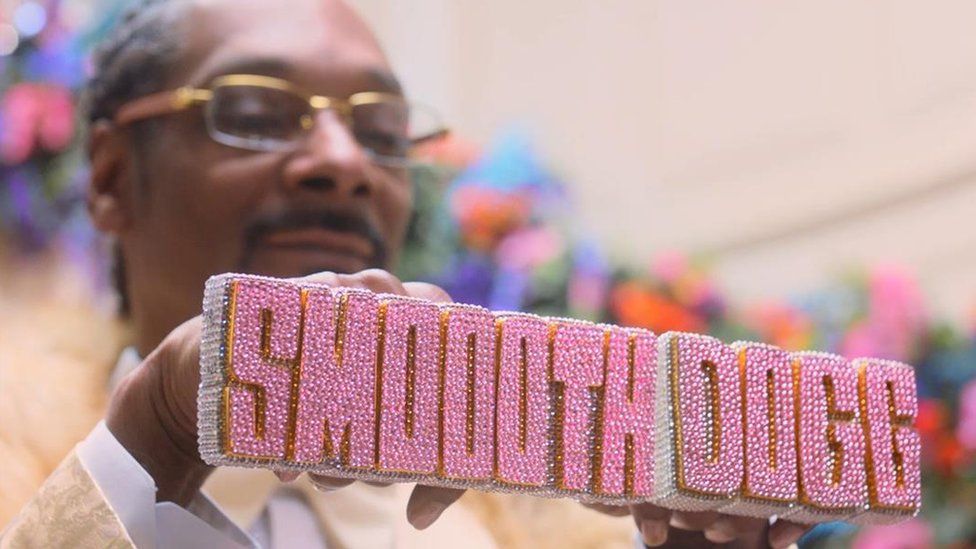
Rapper Snoop Dogg appearing in a Klarna advert
Klarna

Debt charities and campaigners have argued advertising via social media, often through influencers, has glamorised debt. They also suggest the services can make it too easy to fall into debt, and - while total debts are not huge - there are risks of unaffordable borrowing.

These companies do not charge interest - instead charging a fee to the retailer and some charge late payment fees to consumers - and they argue they are more payment providers than credit firms. They have not fallen under the same level of regulation as other credit providers, such as credit card or loan companies who require FCA approval to lend and must conduct affordability checks.

At present, anyone who has a complaint regarding a financial problem with a buy now, pay later firm is unable to take their case to the financial ombudsman for an independent adjudication. This should now change.

Alice Tapper, who campaigned via social media for a change to the rules, said: "It was the hundreds of people who shared their story with the campaign who made it painfully clear that the absence of regulation is at the expense of consumers, particularly those who are young and vulnerable."

But Gary Rohloff, managing director and co-founder of Laybuy, which has 400,000 UK users, said: "We believe we are already in a good place when it comes to regulation.

"There needs to be a balance to protect consumers, but also make sure it retains the innovation and simplicity ​that consumers value."

2px presentational grey line

'A sticky situation'

Sophie Edwards is a follower of fashion, but it is a dedication that left her in debt.

She spent thousands of pounds on clothes, using buy now, pay later services, but then found herself "in a sticky situation" when she was made redundant.

"I was using it for retail therapy, to make myself feel better," she said. "It did not feel like real money.

"You can just go shopping on a Monday, a Tuesday and a Wednesday."

She found herself still needing to pay back hundreds of pounds when she lost her regular pay.

"That does not sound like a lot, but with no income, it really is."

She paid the debt off, and has decided since never to use buy now, pay later services.

2px presentational grey line

Wider problems

The Woolard Review - the wider report into the credit sector which recommended the changes - made a string of proposals to assist those facing financial difficulty, particularly as a result of pandemic.

Among the recommendations were:

  • More funding for free debt advice services as the UK recovers from the coronavirus crisis
  • Sustained support for people struggling to keep up with payments owing to the Covid fall-out
  • Reform of regulation in the community lending and credit union sector, to offer alternatives to expensive short-term debt
  • A review of repeat lending that could leave borrowers in difficulty

"New ways of borrowing and the impact of the pandemic are changing the market, with billions of pounds now in unregulated transactions and millions of consumers at greater risk of financial difficulty," Mr Woolard said.

2px presentational grey line
Banner saying 'Get in touch'

Have you got into debt using buy now pay later firms? Please share your experiences by emailing haveyoursay@bbc.co.uk.

Please include a contact number if you are willing to speak to a BBC journalist. You can also get in touch in the following ways:

If you are reading this page and can't see the form you will need to visit the mobile version of the BBC website to submit your question or comment or you can email us at HaveYourSay@bbc.co.uk. Please include your name, age and location with any submission.

Let's block ads! (Why?)


https://news.google.com/__i/rss/rd/articles/CBMiLGh0dHBzOi8vd3d3LmJiYy5jby51ay9uZXdzL2J1c2luZXNzLTU1ODk1MTYy0gEwaHR0cHM6Ly93d3cuYmJjLmNvLnVrL25ld3MvYW1wL2J1c2luZXNzLTU1ODk1MTYy?oc=5

2021-02-02 09:27:00Z
52781347969469

Buy now, pay later firms such as Klarna face stricter controls - BBC News

online shopping
Getty Images

Fears over young shoppers' debts mean buy now, pay later firms such as Klarna will face more scrutiny by regulators.

These services, offered through major retailers, allow people to split payments instantly and interest-free and are used by millions of people.

But the Financial Conduct Authority (FCA) said it would be easy to build-up unseen debts of £1,000.

Now it will regulate the sector, after use of these services saw a near fourfold rise last year.

Buy now, pay later services were used by five million people in the UK for total sales of £2.7bn.

However, one in 10 people using them already had debt arrears elsewhere, a wide-ranging FCA review into credit services found.

Economic Secretary to the Treasury John Glen said: "By stepping in and regulating, we're making sure people are treated fairly and only offered agreements they can afford - the same protections you'd expect with other loans."

Chris Woolard, who led the FCA review recommending regulation, said that although buy now, pay later was convenient for some people, for others it was "a really easy way to fall into problem debt".

This debt would not be seen by credit reference agencies and other lenders.

Under the new plans, providers would need to undertake affordability checks before lending and ensure customers were treated fairly, particularly those who are vulnerable or struggling with repayments.

The government said it would legislate as soon as possible, following consultation.

How buy now, pay later works

These firms allow people to choose - at an online or physical checkout - to pay for items in instalments or, in some cases, defer payments for up to 30 days. Large operators include Klarna, Clearpay, and LayBuy.

They have proved popular with younger shoppers - particular by offering a cheaper way to try before buying or returning. Use of these services rose fast over the course of the pandemic. Estimates suggest £4 in every £100 currently spent in the UK uses buy now, pay later.

Rapper Snoop Dogg appearing in a Klarna advert
Klarna

Debt charities and campaigners have argued advertising via social media, often through influencers, has glamorised debt. They also suggest the services can make it too easy to fall into debt, and - while total debts are not huge - there are risks of unaffordable borrowing.

These companies do not charge interest and they argue they are more payment providers than credit firms. They have not fallen under the same level of regulation as other credit providers, such as credit card or loan companies who require FCA approval to lend and must conduct affordability checks.

At present, anyone who has a complaint regarding a financial problem with a buy now, pay later firm is unable to take their case to the financial ombudsman for an independent adjudication. This should now change.

Alice Tapper, who campaigned via social media for a change to the rules, said: "It was the hundreds of people who shared their story with the campaign who made it painfully clear that the absence of regulation is at the expense of consumers, particularly those who are young and vulnerable."

2px presentational grey line

'A sticky situation'

Sophie Edwards is a follower of fashion, but it is a dedication that left her in debt.

She spent thousands of pounds on clothes, using buy now, pay later services, but then found herself "in a sticky situation" when she was made redundant.

"I was using it for retail therapy, to make myself feel better," she said. "It did not feel like real money.

"You can just go shopping on a Monday, a Tuesday and a Wednesday."

She found herself still needing to pay back hundreds of pounds when she lost her regular pay.

"That does not sound like a lot, but with no income, it really is."

She paid the debt off, and has decided since never to use buy now, pay later services.

2px presentational grey line

Wider problems

The Woolard Review - the wider report into the credit sector which recommended the changes - made a string of proposals to assist those facing financial difficulty, particularly as a result of pandemic.

Among the recommendations were:

  • More funding for free debt advice services as the UK recovers from the coronavirus crisis
  • Sustained support for people struggling to keep up with payments owing to the Covid fall-out
  • Reform of regulation in the community lending and credit union sector, to offer alternatives to expensive short-term debt
  • A review of repeat lending that could leave borrowers in difficulty

"New ways of borrowing and the impact of the pandemic are changing the market, with billions of pounds now in unregulated transactions and millions of consumers at greater risk of financial difficulty," Mr Woolard said.

2px presentational grey line
Banner saying 'Get in touch'

Have you got into debt using buy now pay later firms? Please share your experiences by emailing haveyoursay@bbc.co.uk.

Please include a contact number if you are willing to speak to a BBC journalist. You can also get in touch in the following ways:

If you are reading this page and can't see the form you will need to visit the mobile version of the BBC website to submit your question or comment or you can email us at HaveYourSay@bbc.co.uk. Please include your name, age and location with any submission.

Let's block ads! (Why?)


https://news.google.com/__i/rss/rd/articles/CBMiLGh0dHBzOi8vd3d3LmJiYy5jby51ay9uZXdzL2J1c2luZXNzLTU1ODk1MTYy0gEwaHR0cHM6Ly93d3cuYmJjLmNvLnVrL25ld3MvYW1wL2J1c2luZXNzLTU1ODk1MTYy?oc=5

2021-02-02 08:21:00Z
52781347969469

Buy now, pay later firms such as Klarna face stricter controls - BBC News

Klarna advert on the side of a bus

Fears over young shoppers' debts mean buy now, pay later firms such as Klarna will face more scrutiny by regulators.

These services, offered through major retailers, allow people to split payments instantly and interest-free and are used by millions of people.

But the Financial Conduct Authority (FCA) said it would be easy to build-up unseen debts of £1,000.

Now it will regulate the sector, after use of these services saw a near fourfold rise last year.

Buy now, pay later services were used by five million people in the UK for total sales of £2.7bn.

However, one in 10 people using them already had debt arrears elsewhere, a wide-ranging FCA review into credit services found.

Economic Secretary to the Treasury John Glen said: "By stepping in and regulating, we're making sure people are treated fairly and only offered agreements they can afford - the same protections you'd expect with other loans."

Chris Woolard, who led the FCA review recommending regulation, said that although buy now, pay later was convenient for some people, for others it was "a really easy way to fall into problem debt".

This debt would not be seen by credit reference agencies and other lenders.

Under the new plans, providers would need to undertake affordability checks before lending and ensure customers were treated fairly, particularly those who are vulnerable or struggling with repayments.

How buy now, pay later works

These firms allow people to choose - at an online or physical checkout - to pay for items in instalments or, in some cases, defer payments for up to 30 days. Large operators include Klarna, Clearpay, and LayBuy.

They have proved popular with younger shoppers - particular by offering a cheaper way to try before buying or returning. Use of these services rose fast over the course of the pandemic. Estimates suggest £4 in every £100 currently spent in the UK uses buy now, pay later.

Debt charities and campaigners have argued advertising via social media, often through influencers, has glamorised debt. They also suggest the services can make it too easy to fall into debt, and - while total debts are not huge - there are risks of unaffordable borrowing.

These companies do not charge interest and they argue they are more payment providers than credit firms. They have not fallen under the same level of regulation as other credit providers, such as credit card or loan companies who require FCA approval to lend and must conduct affordability checks.

At present, anyone who has a complaint regarding a financial problem with a buy now, pay later firm is unable to take their case to the financial ombudsman for an independent adjudication.

2px presentational grey line

'A sticky situation'

Sophie Edwards is a follower of fashion, but it is a dedication that left her in debt.

She spent thousands of pounds on clothes, using buy now, pay later services, but then found herself "in a sticky situation" when she was made redundant.

"I was using it for retail therapy, to make myself feel better," she said. "It did not feel like real money.

"You can just go shopping on a Monday, a Tuesday and a Wednesday."

She found herself still needing to pay back hundreds of pounds when she lost her regular pay.

"That does not sound like a lot, but with no income, it really is."

She paid the debt off, and has decided since never to use buy now, pay later services.

2px presentational grey line

Let's block ads! (Why?)


https://news.google.com/__i/rss/rd/articles/CBMiKmh0dHBzOi8vd3d3LmJiYy5jb20vbmV3cy9idXNpbmVzcy01NTg5NTE2MtIBLmh0dHBzOi8vd3d3LmJiYy5jb20vbmV3cy9hbXAvYnVzaW5lc3MtNTU4OTUxNjI?oc=5

2021-02-02 07:52:00Z
52781347969469